
What Is an Estate Sale and How Does It Work A Friendly Guide with FAQs

An estate sale can sound fancy, but it is really a simple idea: a home full of items is opened to shoppers, and those items are sold in an organized way.
Sometimes it happens after a major life change, like downsizing, moving, divorce, or the passing of a loved one. Other times, someone simply has a lot to sell and wants a cleaner solution than posting one item at a time online.
Either way, an estate sale is part treasure hunt, part practical sale, and part fresh start.

What is an estate sale?
An estate sale is a public sale of personal belongings from a home. Instead of selling one or two things, an estate sale usually includes a wide mix of items throughout the house.
That might include:
Sofas, dining tables, beds, and patio furniture
Kitchenware, dishes, cookware, and small appliances
Clothing, handbags, jewelry, and accessories
Art, books, records, and home decor
Tools, electronics, garden items, and garage finds
Collectibles, vintage pieces, and everyday household goods
The word “estate” does not mean the home needs to be a mansion. It simply refers to the belongings someone owns. A condo, apartment, townhome, or family house can all have an estate sale.
The main goal is to sell many items in a short amount of time, usually over one to three days.
How does an estate sale work?
Most estate sales follow a pretty clear process. The details can vary, but the general flow is easy to understand.
First, the home is reviewed.
An estate sale company or organizer walks through the property and looks at what needs to be sold. They may identify valuable items, everyday household goods, and anything that should not be included.
Next, items are sorted and priced.
This part takes time. Items are cleaned up, grouped by room or category, and given prices. The goal is to make the home feel shoppable, almost like a temporary boutique inside the house.
Then, the sale is advertised.
Photos and descriptions are usually posted online so shoppers know what to expect. Good photos matter because people often decide whether to attend based on what they see ahead of time.
On sale days, shoppers come through the home.
People browse, ask questions, and buy items directly from the property. Larger pieces may be marked sold and picked up later, depending on the sale rules.
After the sale, remaining items are handled.
Some families donate what is left, keep certain pieces, arrange a cleanout, or schedule another selling option.
Estate sale versus garage sale
People often mix these up, and honestly, they are cousins. But they are not quite the same.
A garage sale is usually smaller and more casual. Items are often placed outside, prices are flexible, and the setup may be simple.
An estate sale is usually more organized and often takes place inside the home. It tends to include more items, more rooms, and sometimes higher-value pieces. Pricing is usually researched ahead of time, especially for artwork, jewelry, designer goods, collectibles, or quality furniture.
Think of a garage sale as a quick weekend cleanout. Think of an estate sale as a full-home selling event.
Who goes to estate sales?
Estate sales attract all kinds of shoppers. Some are looking for practical items at fair prices. Others enjoy the thrill of finding something unique.
You might see:
New homeowners furnishing a space
Interior designers looking for character pieces
Collectors searching for vintage finds
Resellers looking for inventory
Neighbors who are simply curious
Families shopping for everyday basics
The fun part is that every sale feels different. One weekend might be full of mid-century furniture and art. Another might have tools, kitchen items, books, and garden pieces.
The best estate sales feel less like a messy cleanout and more like walking through a well-styled home where almost everything has a price tag.

Why hire an estate sale company?
Some people run their own sales, and that can work for a smaller situation. But a full home can become overwhelming fast.
A professional estate sale company can help with:
Pricing
They understand what common household items may sell for and when something needs extra research.
Setup
They arrange items so shoppers can move easily through the home and see what is available.
Advertising
They know where shoppers look for estate sales and how to present the sale in a way that gets attention.
Sale management
They handle crowds, payments, questions, and sold items during the event.
End-of-sale options
They can help plan what happens after the sale, which is often the part families forget to think about until the last minute.
For many people, the biggest benefit is emotional breathing room. Sorting through a home can bring up memories, stress, and decision fatigue. Having help makes the process feel more manageable.
A few estate sale FAQs
Do you have to sell everything in the house?
No. Families can usually remove personal items, important documents, photos, keepsakes, and anything they do not want sold before the sale is staged.
Are estate sale prices negotiable?
Often, yes. Some sales have firm pricing on the first day and offer discounts later. Each sale is different, so it is best to ask politely.
What sells best at an estate sale?
Furniture, kitchen items, tools, jewelry, artwork, decor, and quality everyday goods usually do well. Clean, useful, and well-presented items tend to get the most attention.
Can an estate sale happen in a modern home?
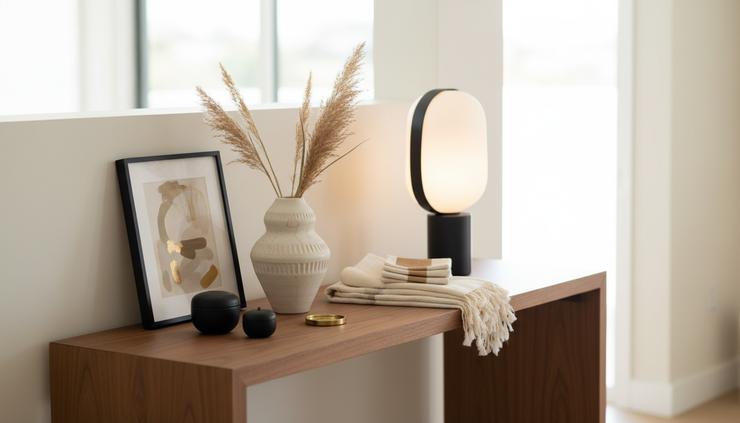
Absolutely. Estate sales are not just for antiques. Many include contemporary furniture, designer decor, electronics, clothing, and stylish home pieces.
How long does an estate sale take?
The public sale often lasts one to three days, but preparation usually starts before that. Sorting, pricing, photos, and setup all take time.

The simple takeaway
An estate sale is a practical way to sell the contents of a home while giving items a second life. It can help families downsize, clear a property, or move through a major transition with less stress.
For shoppers, it is a chance to find useful, beautiful, and sometimes unexpected pieces. For sellers, it is a way to turn a full home into a clear next step.
And the best part? An estate sale does not have to feel old-fashioned. With the right setup, good photos, and a welcoming feel, it can be modern, organized, and surprisingly enjoyable.
Comments